Last updated on November 6th, 2023 at 05:08 pm
Are you a feminist looking for the best blogs for women to follow in 2022? Here you will find all best feminist news sites that inspire.
What is a Feminism?
Feminism is a hot topic these days. It’s all anyone can talk about, and for a good reason. This term defining feminism emphasizes equality of the sexes, eliminating traditional oppression by men to create an open society.
Top Feminist Websites
1. Everyday Feminism

Everyday Feminism is one of the best female blogs Sandra Kim created in 2012. The blog focuses on body image, politics, and gender norms. Everyday Feminism is different from other feminist blogs because it uses a listicle-style format to educate people about feminism on a personal level. Everyday Feminism is a valuable resource for anyone who wants to learn more about feminism or apply feminist ideas to their daily lives. Visit the link here to learn more about the blog and its mission.
2. Bitch Media
Bitch Media is a blog launched in 1996 by Lisa Jervis, Benjamin Shaykin, and Andi Zeisler. The blog covers a wide range of topics, including cultural, health, political, and scientific matters, from a feminist perspective. You can access the blog by signing up for an account. What makes Bitch media unique is that it provides insights into the lives of the three founders, who were once schoolmates. If you want to stay up-to-date on all things related to feminism, be sure to check out this link here.
3. Amy Poehler’s Smart Girls
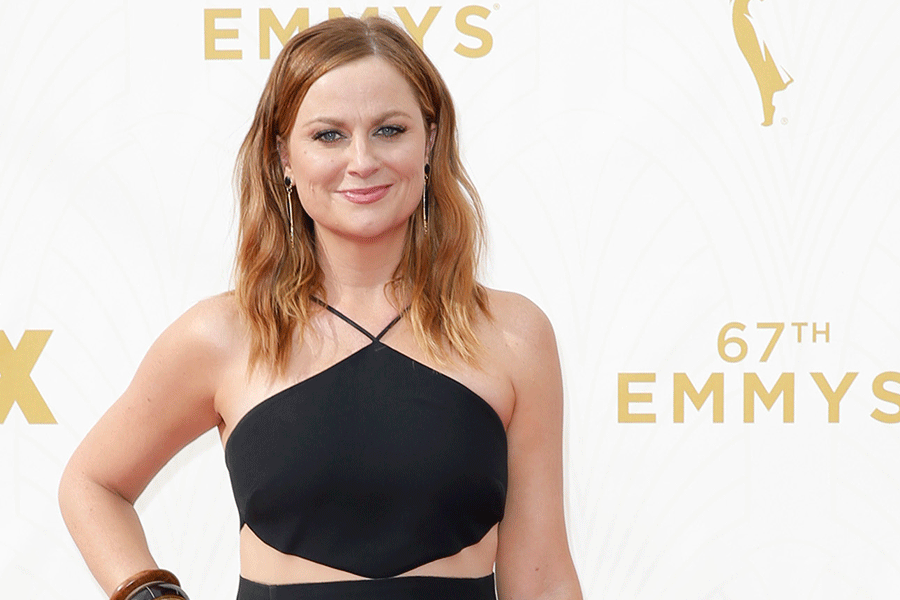

Amy Poehler’s Smart Girls Blog is where young people can discover their authentic selves. The blog allows young people to express their real character without fear. How the authors manage to make the genuine nature of people out sets the blog different from others. Amy Poehler and Meredith Walker, the blog’s founders, created it to help the young generation learn more about themselves. The blog has successfully done so, as it has given many people a safe space to express themselves. Amy Poehler’s Smart Girls Blog is an essential resource for anyone searching for their identity. It is a place where people can be their true selves, and Amy Poehler and Meredith Walker should be commended for creating such a valuable platform. Find the blog here.
4. Feminist Frequency


This blog proves different from other blogs by providing videos on women’s culture. The founder and author, Anita Sarkeesian, also doubles as a public speaker and media critic. The blog offers sign-in and signs up features. The search engine leads you to search for feminist videos. Find a link to the blog here.
5. Autostraddle


Riese Bernard founded the Autostraddle blog in 2009. The blog has the login, sign up, shop, and search features allowing you to multiple services. The fact that you may be part of the one million unique visitors monthly sets this blog exclusive. Click here to visit the blog.
6. Makers

This blog presents a unique blog founded by three ladies, Betty Friedan, Gloria Steinem, and Sandra Day. They made the 20th century record by breaking the Supreme Court gender barrier made them famous. This phenomenon of such outstanding ladies puts the blog in a unique position. Visit here and find exciting information on feminism.
7. The Ladies Finger magazine


The Ladies Finger is a Karachi-based feminist blog started by Rumisa Lakhani and Rashida Shabbir. The blog features a sign-in feature with links to stories about feminism, making it a valuable resource for women in a region where equality is not always respected. This is a feminist blog about women’s issues, which makes it an important voice in the fight for gender equality. The Ladies Finger is a vital blog for anyone interested in feminism or women’s rights and is a valuable resource for women in the developing world. If you would wish to find reports on this blog, click here.
8. Brown Girl Magazine
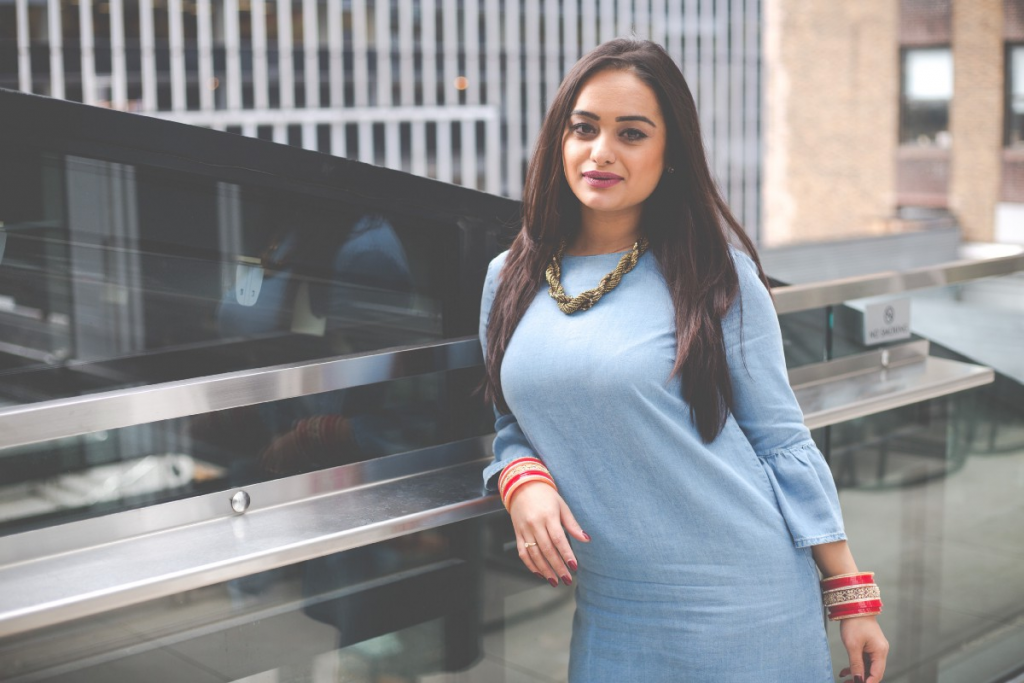

Brown Girl Magazine is a blog created by Mehta and a few other women to promote South Asian feminism. The blog is unique in that it allows women to read and participate in feminist events and provides excellent customer support features. Brown Girl Magazine has helped raise awareness of the issues faced by women in South Asia and has contributed to the movement for gender equality in the region. Brown Girl Magazine is an important resource for South Asian feminists. Its unique blend of customer support and content makes it an essential part of the South Asian feminist movement. Visit the blog here.
9. The Women Takeover
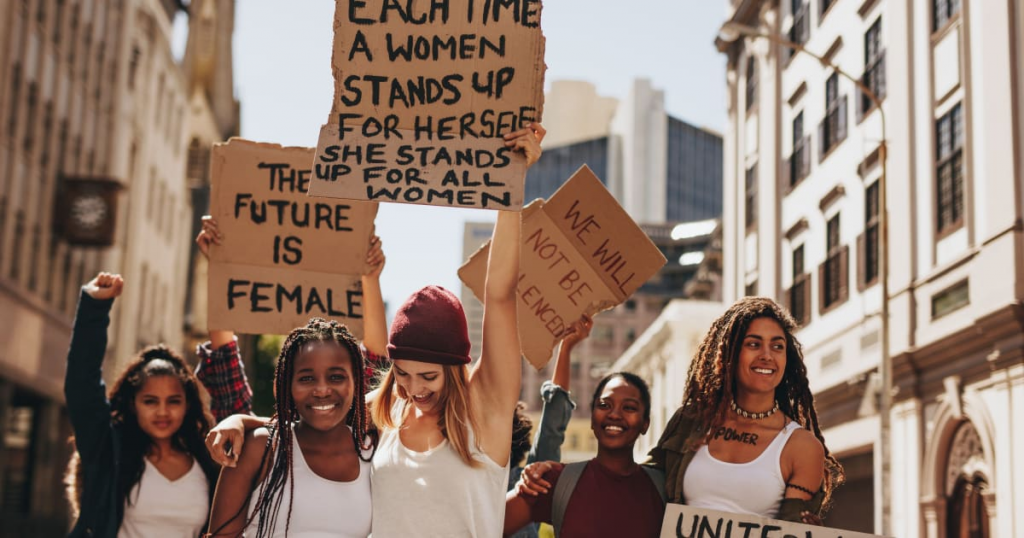

Rebecca Parks Fernandez began the Women Takeover blog to share personal lessons she’d learned on feminism. The blog quickly gained popularity for its ability to connect readers with a passionate feminist who openly shares her experiences. Rebecca is committed to creating an inclusive community and providing quality content, and the blog’s customer support features make it easy for readers to engage with her stories. Whether you’re looking to learn more about feminism or simply want to hear from someone passionate about the topic, check out the Women Takeover.
10. The Establishment

The Establishment is a feminist site founded by Vannesa Valenti in 2015. She supports feminism and is one of the popular girl on the blog. The blog contains a complete archive of feminist stories and is updated regularly with new content. The Establishment provides a customer support feature that allows readers to log in and read all the stories on the blog. The blog is an essential resource for feminist news and information and provides a platform for discussion and debate on feminist issues. The Establishment can be accessed via this link.
11. HelloGiggles


In 2011, performer Zooey Deschanel, director Sophia Rivka Rossi, and author Molly McAleer established HelloGiggles.com, an entertaining and wellness magazine.The website is dedicated to providing the visitors with educated, meaningful, and meaningful material representing a spectrum of viewpoints for female-identifying readers, with various media, personal statements, reported stories, and entertainment. Visit the blog here.
12. Ravishly

Ravishly celebrates the disorderliness of human existence because you function better when you’re not alone with all the chaos in today’s society.
The form of an incantation used to communicate with people through culture is the melody of worms. The structure of the symbol, the concept expressed, and the harmony of the phrase spoken. Ravishli supports feminism and is popular with feminist women. Read the articles here.
13. Feministing


Feministing is one of the top feminist websites created by and for young feminists.
They’ve been motivating younger individuals to make a real-world feminist difference, online and offline, for over a generation by providing an incisive, unapologetic feminist critique of everything from modern media to politicians.
They function as a portal to the feminist movement, providing visitors with options to get involved and linking them with feminist groups and activists. Follow this link and dive into the world of feminism.
14. Refinery29
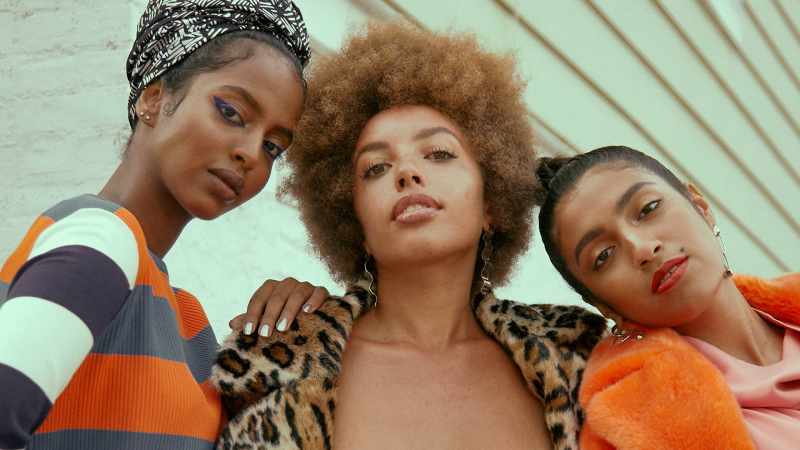
Refinery29 is a worldwide news and entertainment organization dedicated to promoting women’s perspectives and interests.
Refinery29 covers various topics and creates journalistic and multimedia entertainment, live broadcasts, and digital, shareable content distributed across crucial social networking sites.
They want to help women recognize, experience, and embrace their power. Be part of a community and follow this site.
15. Black Girl Dangerous
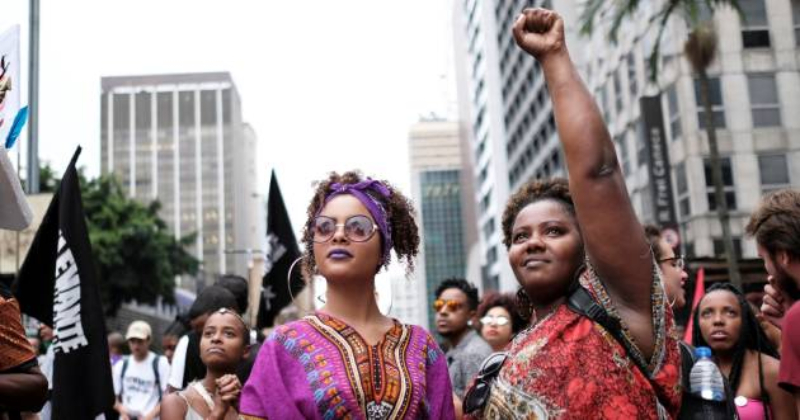

Mia McKenzie, an award-winning author, founded BGD Media. BGD aims to bring the perspectives, stories, and manifestations of feminism, homosexuality, and transgenderism as widely as possible. BGD seems to be the only online forum of its kind. More than 300 different writers from three countries have contributed to the BGD blog, which has been visited by more than 7 million people worldwide. You can read too. To do so, follow this link.
Read more >>
Find Women near you >>
Conclusion
If you happen to be a feminist or an aspiring one, the above feminist bloggers will open your eyes to the content that matters. These five blogs provide a unique perspective on feminism, and they offer valuable insights into the fight for equality. By reading them, you will learn about the issues that affect women worldwide and be equipped with the knowledge and tools that you need to make a difference.
